Selected filters: No Filters Selected
showing 2671 result(s)
Filter(s)-

20 November 2019
Minimize the impact of mycotoxins
ProSid™ TB offers a solutions to help reduce the bioavailability of mycotoxins and their negative effects. It protects the animal from all kinds of toxin threats while helping to reduce the symptoms associated with mycotoxicosis and the performance reduction associated with these symptoms.
Markets & Products
Animal Nutrition, Mold inhibition, Mycotoxin management
-
10 June 2022
Vorteile einer ZnO-FREIEN Produktion:
Information
-
09 June 2022
Los beneficios de una producción sin ZnO
Information
-

18 November 2025
Milling Optimization
a perfect homogenous dispersion
Markets & Products
Animal Nutrition, Mycotoxin management, Mold inhibition, Milling optimization
-
19 June 2019
Using ProMyr™ TMR
ProMyr™ TMR is a synergistic blend of acids and salts. Single acids or salts often fail to control a wide variety of yeasts and molds.
Information
-
26 November 2019
All disease begins in the gut
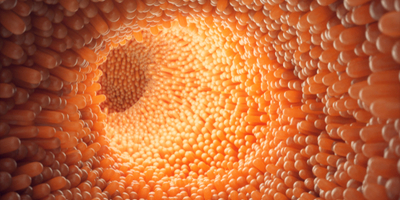
Hippocrates, father of modern medicine stated “All disease begins in the gut” way back in 460- 370 B.C. The gut plays a pivotal role in the immune system. Immunogloblin A (IgA) plays a very important role here and is produced and secreted in the digestive tract by the mucosal barrier that lines the intestine. Once this barrier becomes damaged, it impacts the ability to produce this extremely important antibodies. The ability to fight off all the harmful substances that enter the body is lost, leaving animals exposed to many kinds of infections. The gut is responsible for protection against toxins and pathogens including harmful parasites, bacteria, virus, yeast and fungi. The gut is also responsible for proper digestion and absorption of nutrients needed to supply the entire body with the required building blocks for energy, growth and repair. An inflamed gut impairs the body’s ability to absorb nutrients which leads to great performance losses and extra costs.
News
Animal Nutrition, Gut health
-

17 November 2020
Swine performance & gut health
In animal protein production, everything is about performance.
Information
Animal Nutrition, Gut health
-
21 October 2019
Feed acidification - by today’s standards
Feed acidification is the process of reducing the pH of feed by using organic acids. This process has proven its efficiency in helping to reduce harmful bacteria and improving feed digestibility for decades. Today’s solutions for feed acidification are more effective, better targeted to specific applications and often non-corrosive. Some even have additional benefits such as allowing you to influence the dietary electrolyte balance. Despite being a producer of formic and propionic acid, we believe the world is best served with these next generation solutions that are safer and more effective.
Markets & Products
-
12 October 2020
Antibiotic reduction for swine
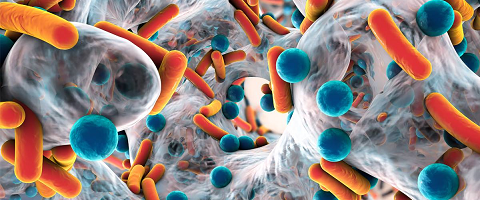
Antibiotics are undoubtedly one of mankind’s most valuable discovery. They help us - and farm animals - to fight diseases caused by bacterial pathogens. They also improve the growth performance of animals. We depend on them so much that antibiotic resistance is one of this century’s biggest concerns for our species.
Information
Animal Nutrition, Gut health, Feed hygiene
-
13 May 2022
The importance of Feed Hygiene in Zinc Oxide reduction
Pharmacological doses of ZnO were commonly added to piglet diets to support gut health and reduce the incidence of PWD, reducing mortality rates and the long-term improved performance of the animal. However, that option is no longer available to pig producers.
News
Pattern Lab