選択された絞り込み 絞り込み選択なし
showing 2685 result(s)
Filter(s)-

27 March 2026
Our Sustainability Targets for 2030 and 2035
Our sustainability targets guide how we move towards our long-term ambition of Zero Negative Impact and help ensure progress across climate, water, and waste.
サステナビリティ
-

30 March 2026
Our levers towards 2030 and beyond
Our levers are linked to our approach to sustainability: Enable, Transform, and Care. The levers help us reduce emissions, improve efficiency, and increase circularity across our operations and value chain. They are tools for us to reach our targets.
インフォメーション
サステナビリティ
-

30 March 2026
Sustainability data of products
Continuous development of data and digital solutions to support decision-making and value creation across the value chain.
サステナビリティ
サステナビリティ
-
23 October 2026
See what ProSid™ Pellet Pro could mean for your feed mill
Every feed mill operates differently. Fill in the form below and share a few details about your production and current operations. Our experts will prepare a personalized ROI calculation based on the ProSid™ Pellet Pro ROI model, helping you explore the potential economic impact of improved moisture management and mill optimization for your operation.
インフォメーション
-
23 October 2026
Thank you for getting in touch!
Your form has been successfully submitted. We’ll get back to you soon.
インフォメーション
-
28 October 2026
マーケット・製品
アニマルニュートリション, 家畜の健康
-
09 December 2019
ProPhorce™ AC 600 zur Futteransäuerung | Perstorp
マーケット・製品
-

24 September 2024
Every day, data centers carry more of the world’s work, AI training, cloud storage, streaming, and high-performance computing. As power density surges, so does the heat. Racks that once ran comfortably now push past 30kW, and GPUs spike faster than traditional cooling can respond.
インフォメーション
-

10 November 2025
RE-carbonizing chemicals: A key to a sustainable chemical industry
Almost all products that are crucial for our society, from medicines and clothing to appliances and mobile phones, cannot be manufactured without chemicals and carbon atoms as building blocks of the material. The problem is that basically all this carbon comes from virgin fossil sources, oil and gas, and is released into the atmosphere at the end of its life. Globally, the chemicals sector accounts for 14 percent of the industrial greenhouse gas emissions.
インフォメーション
サステナビリティ, サステナブル
-
29 January 2019
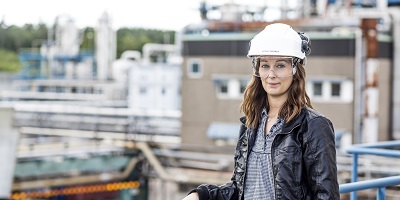
Sofia, Team Manager Process
M.Sc. in Chemical Engineering
インフォメーション
Pattern Lab